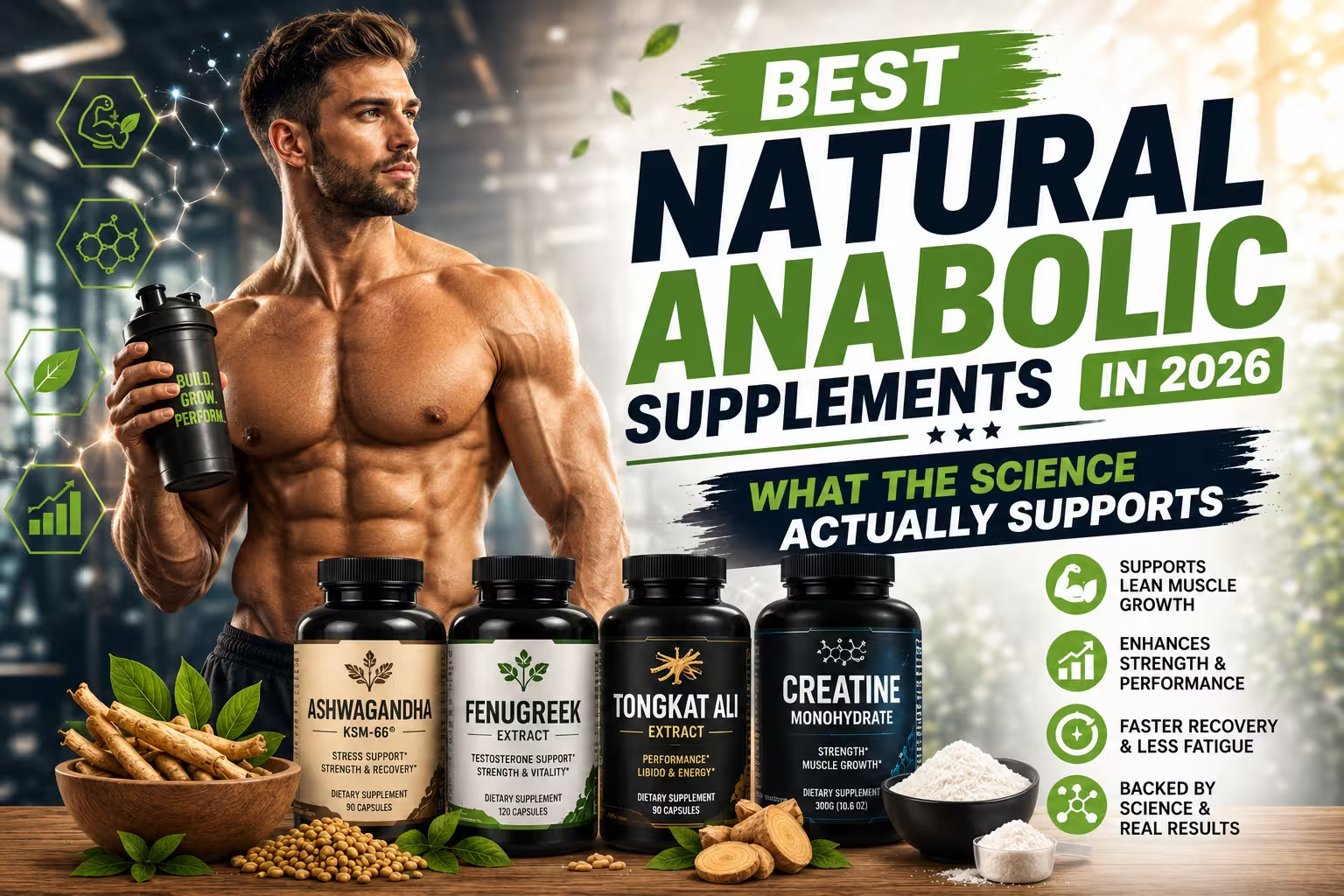
Best Natural Anabolic Supplements in 2026: What the Science Actually Supports
The word “anabolic” gets thrown around a lot in fitness culture, usually in the same breath as something illegal, injected, or banned. But the actual definition is straightforward: anabolic simply means promoting tissue building — specifically, the growth and repair of muscle. And there are natural compounds, many of them found in food or produced by the human body itself, that genuinely support this process without side effects, without legal risk, and without the catastrophic hormonal disruption that synthetic anabolic steroids cause.
This isn’t a list of miracle products. Natural anabolic supplements don’t produce the dramatic, rapid results of pharmaceutical interventions. What they do — when backed by real research, adequate protein intake, and consistent training — is meaningfully accelerate muscle protein synthesis, reduce muscle breakdown during training, support hormonal health, and improve recovery. Over months and years of consistent use alongside good training and nutrition, that edge compounds significantly.
This guide covers every supplement with genuine scientific backing, ranked by evidence quality and practical impact. No hype, no affiliate-driven rankings, no supplements included just because they have impressive marketing budgets.
Table of Contents
- What “Natural Anabolic” Actually Means
- #1: Creatine Monohydrate — The Gold Standard
- #2: Protein (Whey, Casein, Plant-Based)
- #3: Ashwagandha — The Adaptogen with Muscle Data
- #4: Vitamin D3 — The Hormonal Foundation
- #5: Zinc and Magnesium (ZMA) — The Recovery Minerals
- #6: Ecdysterone — The Emerging Evidence
- #7: HMB — Leucine’s Metabolite
- #8: Fenugreek — The Testosterone Supporter
- #9: Tongkat Ali (Eurycoma Longifolia)
- #10: Omega-3 Fatty Acids — The Anti-Catabolic Agent
- What Doesn’t Work (And Why It’s Still Being Sold)
- Building Your Natural Anabolic Stack
- Frequently Asked Questions
1. What “Natural Anabolic” Actually Means
Before diving into the list, it’s worth being precise about what we’re claiming and what we’re not.
Natural anabolic supplements work through physiological pathways the body already uses — they don’t introduce synthetic hormones or override the body’s regulatory systems. The mechanisms include:
- Enhancing muscle protein synthesis — the process by which amino acids are assembled into new muscle tissue
- Reducing muscle protein breakdown — the catabolic side of the equation, which determines net muscle gain as much as synthesis does
- Optimizing the hormonal environment — particularly testosterone, growth hormone, and cortisol, which are the primary endogenous regulators of muscle mass
- Improving training performance — allowing more work to be done per session, which is ultimately the primary stimulus for muscle growth
- Accelerating recovery — enabling higher training frequency and quality by reducing the time needed between sessions
None of these supplements will replace training hard, eating adequate protein, sleeping well, and managing stress. What they will do, in that context, is provide a meaningful and measurable edge. Think of them as the difference between a well-tuned engine running on premium fuel versus regular — the driver still determines the outcome, but the equipment performs better.
2. Creatine Monohydrate — The Gold Standard
If there is one supplement that every person serious about muscle and performance should be taking, it is creatine monohydrate. It is the most studied ergogenic (performance-enhancing) supplement in existence — with over 500 peer-reviewed studies behind it — and its efficacy, safety, and value are essentially beyond scientific debate.
How It Works
Creatine is a naturally occurring compound synthesized in the liver and kidneys from the amino acids arginine, glycine, and methionine. It’s also found in red meat and fish. In the body, creatine is stored primarily in muscle tissue as phosphocreatine, where it serves as a rapid energy reservoir for high-intensity efforts.
Supplementing with creatine increases total phosphocreatine stores by approximately 20–40% above baseline levels. This means more ATP (energy) is available for short, high-intensity efforts — sprints, heavy lifts, explosive movements. You can do one or two more reps per set, or move heavier weight for the same reps. Over weeks and months of training, those extra reps compound into significantly greater muscle adaptation.
What the Research Shows
- Meta-analyses consistently show that creatine supplementation increases lean mass by approximately 1–2 kg more than training alone over 4–12 weeks of resistance training
- Strength gains are typically 5–15% greater with creatine versus placebo over the same period
- Benefits extend beyond muscle: emerging research in 2024–2025 supports cognitive benefits (particularly under sleep deprivation and in aging populations) and potential benefits for bone density
- It is safe for long-term use at standard doses — studies have followed subjects for up to 5 years with no adverse effects in healthy individuals
How to Take It
Dose: 3–5g per day. That’s it. Loading protocols (20g/day for 5–7 days) saturate the muscles faster but produce the same long-term result as the standard dose — with more initial water retention and gastrointestinal discomfort.
Form: Monohydrate. Despite the marketing around creatine HCl, buffered creatine, and various other forms, monohydrate has the most evidence and is the cheapest. No other form has demonstrated superiority in controlled trials.
Timing: Slightly better results have been shown with post-workout supplementation versus pre-workout, but the difference is small. Consistency matters more than timing — take it daily.
3. Protein Supplements (Whey, Casein, Plant-Based)
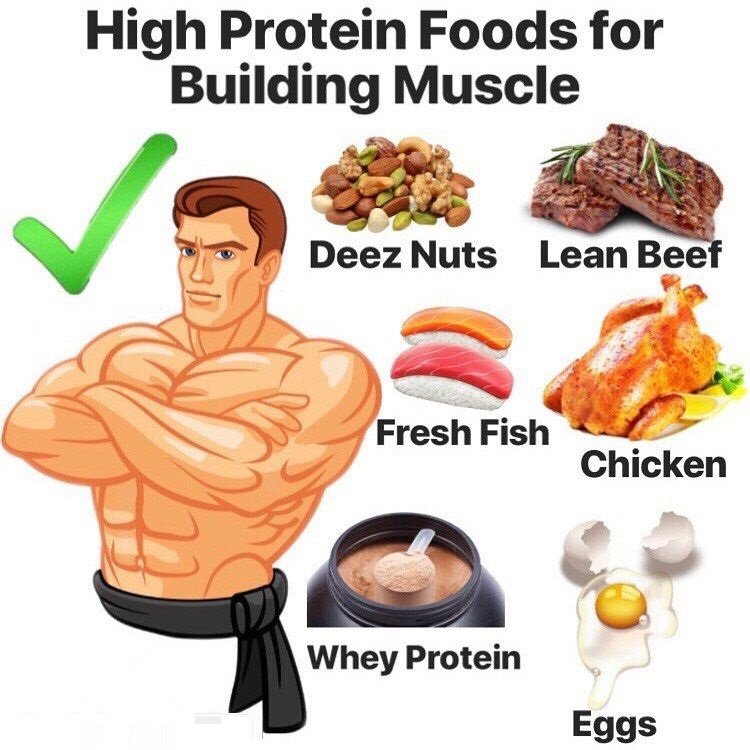
Protein supplements aren’t glamorous, but they belong at the top of any honest anabolic supplement list because they directly provide the raw material for muscle protein synthesis. Without adequate protein, nothing else on this list works optimally.
Whey Protein
Whey is the gold standard liquid protein source. It’s a byproduct of cheese production, absorbed rapidly (peak amino acids in the blood within 60–90 minutes), and has the highest leucine content of any protein source — which matters because leucine is the primary amino acid that triggers muscle protein synthesis through the mTOR pathway.
Best use: Post-workout (when rapid amino acid availability is most beneficial) and as a convenient way to hit daily protein targets.
Dose: 20–40g per serving, targeting a total daily protein intake of 1.6–2.2g per kg of body weight.
Casein Protein
Casein is the other major milk protein — absorbed slowly (4–6 hours), providing a sustained release of amino acids. Research supports casein’s anti-catabolic properties, particularly during overnight fasting. Taking casein before bed meaningfully increases overnight muscle protein synthesis compared to not supplementing.
Best use: Pre-sleep supplementation for overnight recovery and anti-catabolism.
Plant-Based Protein
Pea protein isolate and brown rice protein (especially in combination) have become genuinely viable alternatives. A 2022 meta-analysis found that pea protein produced equivalent muscle thickness gains to whey in resistance-trained adults over 12 weeks. The key is ensuring leucine content is adequate — some plant proteins are leucine-poor and require larger servings or supplemental leucine.
4. Ashwagandha — The Adaptogen with Muscle Data
Ashwagandha (Withania somnifera) is an adaptogenic herb from Ayurvedic medicine that has accumulated a surprisingly robust body of modern clinical evidence for muscle and performance outcomes — not just stress reduction.
The Research
A landmark study published in the Journal of the International Society of Sports Nutrition found that 300mg of ashwagandha root extract twice daily for 8 weeks in resistance-trained men produced:
- Significantly greater increases in muscle strength (bench press and leg extension)
- Greater increases in muscle size (arm and chest)
- Greater reduction in exercise-induced muscle damage (lower creatine kinase)
- Significantly greater testosterone increases versus placebo
A 2024 meta-analysis of 12 randomized controlled trials confirmed these findings, concluding that ashwagandha supplementation significantly improved muscle strength, power, and body composition in exercising adults.
How It Works
Ashwagandha’s anabolic effects appear to be mediated primarily through two mechanisms: cortisol reduction and testosterone support. It reduces cortisol — the primary catabolic hormone — which allows the testosterone-to-cortisol ratio to shift favorably. Higher testosterone relative to cortisol means a more anabolic hormonal environment.
How to Take It
Dose: 300–600mg per day of a standardized root extract (look for KSM-66 or Sensoril as quality-controlled forms). Can be taken at any time; many people prefer evening dosing given the calming effect.
Timeline: Benefits compound over 8–12 weeks of consistent use.
5. Vitamin D3 — The Hormonal Foundation
Vitamin D3 is technically a hormone precursor — once it enters the body and undergoes conversion, it behaves more like a steroid hormone than a traditional vitamin. Every cell in the body has vitamin D receptors, including muscle cells, and vitamin D plays a direct role in muscle protein synthesis, testosterone production, and the expression of genes involved in muscle growth.
Why Deficiency Is So Common and So Costly
Approximately 40–50% of the global population is vitamin D deficient, and in populations in northern latitudes or who spend most time indoors, that figure is even higher. Vitamin D deficiency is associated with reduced testosterone levels, impaired muscle function, increased fat mass, and poor recovery from exercise.
A 2011 study found that vitamin D3 supplementation at 3,332 IU per day for one year significantly increased free testosterone levels in vitamin D deficient men. Subsequent research has consistently shown the relationship between vitamin D status and testosterone — fix the deficiency and the hormonal environment improves.
How to Take It
Dose: 2,000–5,000 IU of D3 daily, taken with food containing fat (it’s fat-soluble). Always combine with Vitamin K2 (100–200mcg), which directs calcium metabolism correctly and prevents the potential arterial calcification associated with high-dose D3 taken alone.
Testing: If possible, test your 25-OH vitamin D blood level before supplementing. Target range for optimal muscle and hormonal function: 40–70 ng/mL (100–175 nmol/L).
6. Zinc and Magnesium (ZMA) — The Recovery Minerals
ZMA is a combination of zinc, magnesium aspartate, and vitamin B6 — two minerals that are critically involved in testosterone synthesis and muscle recovery, and that are chronically depleted in athletes through sweat losses.
Zinc’s Role
Zinc is directly involved in the synthesis of testosterone. It’s required for the function of the enzymes that convert cholesterol to testosterone and for the proper functioning of the pituitary gland’s release of luteinizing hormone (LH), which signals the testes to produce testosterone. Athletes who are zinc-deficient show significantly reduced testosterone levels, and correcting deficiency restores levels toward normal.
A study in Nutrition found that wrestlers supplementing with zinc for 4 weeks maintained testosterone levels during a high-intensity training period, while the placebo group experienced significant drops — highlighting zinc’s role in protecting testosterone during periods of physiological stress.
Magnesium’s Role
Magnesium is involved in over 300 enzymatic reactions, including those that regulate insulin sensitivity, protein synthesis, and energy production. More directly relevant to anabolic supplementation: magnesium significantly improves sleep quality. And since growth hormone — the most potent natural anabolic hormone — is primarily secreted during deep sleep, anything that improves sleep architecture directly supports the body’s natural anabolic state.
How to Take It
Zinc: 25–45mg per day (zinc picolinate or zinc bisglycinate are best absorbed). Don’t exceed 40mg regularly without medical guidance — zinc and copper compete for absorption.
Magnesium: 300–400mg per day of magnesium glycinate or malate (better tolerated and absorbed than magnesium oxide). Take before bed for best sleep quality effects.
7. Ecdysterone — The Emerging Evidence
Ecdysterone (also called beta-ecdysterone or 20-hydroxyecdysone) is a naturally occurring compound found in spinach, quinoa, and certain insects and plants. It has attracted significant research attention in recent years after a German study produced results that genuinely surprised the scientific community.
What the Research Shows
A 2019 randomized, double-blind, placebo-controlled study from Freie Universität Berlin found that participants supplementing with ecdysterone (200mg/day) during a 10-week resistance training program gained significantly more muscle mass than the placebo group. The muscle gains were described as comparable to those seen in studies with some mild anabolic agents — a finding dramatic enough that the World Anti-Doping Agency (WADA) began monitoring ecdysterone, though it has not been banned as of 2026.
The proposed mechanism involves binding to estrogen receptor beta (ERβ) in muscle cells, which activates anabolic signaling pathways including PI3K/Akt — overlapping with but distinct from androgenic pathways.
Current Status
The evidence is promising but not yet at the level of creatine or protein. Ecdysterone is in the “strong emerging evidence” category — worth considering for serious trainees who have the foundational stack dialed in, not a first-purchase priority.
Dose: 200–500mg per day of a standardized extract. Bioavailability is significantly enhanced when taken with food.
8. HMB — Leucine’s Metabolite
HMB (beta-hydroxy beta-methylbutyrate) is a metabolite of the amino acid leucine — produced in small amounts when the body breaks down leucine from dietary protein. It’s available as a standalone supplement in two forms: calcium HMB and the newer HMB Free Acid.
What HMB Does
HMB’s primary documented benefit is anti-catabolic — it reduces muscle protein breakdown, particularly during periods of high stress, caloric restriction, or periods without training (illness, injury, time off). It also appears to enhance muscle protein synthesis through mTOR pathway activation.
Meta-analyses show that HMB is most effective in:
- Untrained or de-trained individuals starting a new program (where the greatest muscle breakdown occurs)
- People in a caloric deficit trying to preserve lean mass
- Older adults experiencing sarcopenia
The effects are more modest in well-trained individuals at maintenance calories — which is why HMB has a mixed reputation in the bodybuilding community. Used in the right context, it earns its place.
Dose: 3g per day, split across 2–3 servings. HMB Free Acid form has better bioavailability than calcium HMB. Best taken around training sessions.
9. Fenugreek — The Testosterone Supporter
Fenugreek (Trigonella foenum-graecum) is a culinary herb with a growing body of evidence for supporting free testosterone levels, primarily by inhibiting the enzymes (5-alpha reductase and aromatase) that convert testosterone into dihydrotestosterone (DHT) and estrogen respectively.
What the Research Shows
A double-blind, placebo-controlled study in the International Journal of Sport Nutrition and Exercise Metabolism found that 500mg of fenugreek extract daily for 8 weeks in resistance-trained men significantly improved upper and lower body strength, reduced body fat percentage, and maintained testosterone levels relative to a drop seen in the placebo group.
A 2020 meta-analysis confirmed that fenugreek supplementation significantly increases both total and free testosterone — the latter being particularly relevant since free testosterone (not bound to sex hormone binding globulin) is the biologically active form.
Dose: 500–600mg of a standardized fenugreek extract per day. Note: fenugreek has a distinct maple-syrup-like odor that some people find noticeable in sweat and urine. This is harmless but worth knowing.
10. Tongkat Ali (Eurycoma Longifolia)
Tongkat Ali is a root extract from a Southeast Asian tree with a long history of traditional use for male vitality — and an increasingly credible body of modern evidence to back it up.
The Research
The primary mechanism appears to be stimulation of the hypothalamic-pituitary-gonadal (HPG) axis — the hormonal cascade that signals testosterone production — and reduction in sex hormone binding globulin (SHBG), which frees up more testosterone for biological activity.
A randomized, double-blind study published in Phytotherapy Research found that 200mg/day of Tongkat Ali root extract for 4 weeks significantly increased free testosterone, DHEA, and muscle strength, while reducing cortisol by approximately 16%.
A 2022 systematic review covering 11 clinical trials concluded that Tongkat Ali produced consistent improvements in testosterone levels, sexual health markers, and physical performance in both healthy subjects and those with hypogonadal tendencies.
Dose: 200–400mg per day of a standardized extract (look for Physta — the most studied proprietary form). Cycling (5 days on, 2 days off, or 8 weeks on, 2 weeks off) is commonly practiced though not definitively required by the research.
11. Omega-3 Fatty Acids — The Anti-Catabolic Agent
Omega-3 fatty acids — specifically EPA and DHA from fish oil or algae — are not typically listed in anabolic supplement discussions, which is an oversight. Their role in muscle physiology is well-established and clinically significant.
How Omega-3s Support Muscle
They enhance muscle protein synthesis. A landmark study from the University of Washington found that omega-3 supplementation (4g EPA+DHA daily) significantly increased the muscle protein synthetic response to amino acids and insulin — in other words, when you eat protein after supplementing with omega-3s, your muscles respond to it more efficiently.
They reduce muscle protein breakdown. Omega-3s are potently anti-inflammatory. The inflammation that follows intense training is necessary for adaptation, but chronic systemic inflammation (the low-grade, persistent kind) is catabolic. Omega-3s reduce this background inflammatory state, tipping the balance toward anabolism.
They improve insulin sensitivity. Better insulin sensitivity means more efficient nutrient partitioning — carbohydrates and amino acids are more likely to be directed into muscle cells rather than fat cells.
Dose: 2–4g of combined EPA+DHA per day. Triglyceride form fish oil is better absorbed than ethyl ester form. For vegans, algae-based DHA+EPA provides the same compounds without the fish source.
12. What Doesn’t Work (And Why It’s Still Being Sold)
Honest supplement guides need a “skip these” section as much as a recommended list. Here are the most marketed natural anabolic supplements that consistently fail to deliver meaningful results in controlled research:
Tribulus Terrestris: Despite decades of marketing as a testosterone booster, multiple well-controlled trials have found no significant effect on testosterone, luteinizing hormone, or muscle mass in healthy men. The initial animal study data did not translate to humans. Still found in a huge number of testosterone boosters. Skip it.
DHEA (in young adults): DHEA supplementation may help older adults with age-related hormonal decline, but in young adults with normal DHEA levels, supplementation produces no significant benefit and may disrupt the body’s own regulatory feedback loops.
Boron (standalone): Some early data suggested boron might reduce SHBG and increase free testosterone. Subsequent research has been inconsistent, and effect sizes are small. Boron from dietary sources (legumes, nuts, avocado) is likely sufficient for most people.
Most proprietary “testosterone booster” blends: The supplement industry’s profit margins are highest on proprietary blends that combine underdosed ingredients at cheap per-unit costs with expensive branding. Most “T-booster” products on the market contain some combination of the above ineffective ingredients alongside small doses of potentially effective ones — at doses that fall below therapeutic thresholds.
13. Building Your Natural Anabolic Stack
Not everyone needs every supplement on this list. Here’s how to build intelligently based on your situation.
Foundation Stack (Everyone)
These three have the most evidence, the lowest cost per benefit, and virtually no downside:
- Creatine monohydrate — 5g/day
- Whey or high-quality protein — to hit 1.6–2.2g protein per kg body weight daily
- Vitamin D3 + K2 — 2,000–5,000 IU D3 with 100–200mcg K2 daily
Intermediate Stack (Add After 8–12 Weeks on Foundation)
- Magnesium glycinate — 300–400mg before bed
- Omega-3 fish oil — 2–4g EPA+DHA daily
- Ashwagandha KSM-66 — 300mg twice daily
Advanced Stack (For Committed Trainees With Foundation Dialed In)
- Zinc — 25–30mg daily (only if dietary intake is low)
- Tongkat Ali — 200–400mg daily
- Fenugreek extract — 500mg daily
- Casein protein — 30–40g before bed
- Ecdysterone — 200–400mg daily
Monthly Cost Estimate
| Stack Level | Approximate Monthly Cost |
|---|---|
| Foundation | $25–40 |
| Intermediate | $55–80 |
| Advanced | $100–150 |
This is not a cheap hobby at the advanced level — but compared to the cost of gym memberships, training programs, and food, it’s a manageable investment if the outcome justifies it for your goals.
14. Frequently Asked Questions
Are natural anabolic supplements legal? Yes. Every supplement on this list is legal globally, non-prescription, and available commercially. None are on the WADA prohibited list for sport as of 2026, with the exception that ecdysterone is under monitoring (not yet banned). They are fundamentally different from anabolic-androgenic steroids, which are controlled substances in most countries.
How long before I notice results? Creatine produces measurable strength and performance improvements within 1–2 weeks of loading or 3–4 weeks at standard dosing. Hormonal supporters like ashwagandha, tongkat ali, and fenugreek show measurable effects after 4–8 weeks. Protein effects are immediate but require consistent daily use to maintain. Set a 12-week benchmark — that’s the minimum timeframe to assess a supplement’s impact on body composition.
Do I need to cycle natural anabolic supplements? Creatine, protein, vitamin D, omega-3s, and magnesium can be taken continuously without cycling. Ashwagandha and tongkat ali are often cycled (8–12 weeks on, 2–4 weeks off) as a precautionary measure, though long-term continuous use studies haven’t shown harm. The cycling recommendation is largely precautionary and based on traditional use patterns.
Can women take natural anabolic supplements? Yes. Creatine, protein, vitamin D, omega-3s, magnesium, and ashwagandha are beneficial for women with no significant concerns. The testosterone-supporting supplements (tongkat ali, fenugreek, zinc in high doses) are primarily studied in male populations and should be approached more cautiously by women — particularly those with hormonal conditions. Consult a healthcare provider before using testosterone-influencing supplements if you have PCOS, endometriosis, or are pregnant.
Do supplements matter if my training and diet aren’t dialed in? No — not meaningfully. Supplements are the final 5–10% of the equation. The foundation is progressive resistance training, adequate protein (the single biggest dietary lever for muscle building), consistent sleep (where the majority of growth hormone is secreted), and managed stress. Supplements added to a poor foundation produce marginal results. Supplements added to an optimized foundation produce meaningful compounding benefits. Always fix the foundation first.
The Bottom Line
Natural anabolic supplements are not a shortcut — they’re an enhancement layer on top of doing the fundamentals correctly. The hierarchy is always: train hard and progressively, eat adequate protein, sleep well, manage stress, then supplement intelligently.
Within that context, the evidence for creatine is rock solid. The evidence for vitamin D, omega-3s, and magnesium is compelling and the downside risk is minimal. The evidence for ashwagandha, tongkat ali, and fenugreek is becoming increasingly difficult to dismiss. Ecdysterone and HMB are worth watching and, in the right context, worth using.
Build from the foundation outward. Be patient — real muscle is built over years, not weeks. And appreciate that natural, sustainable, side-effect-free progress is worth more long-term than anything that requires you to compromise your health to achieve it.
This article is for informational and educational purposes only. It does not constitute medical advice. Consult a qualified healthcare provider before beginning any new supplement protocol, particularly if you have underlying health conditions, take medications, or are competing in tested athletic events.