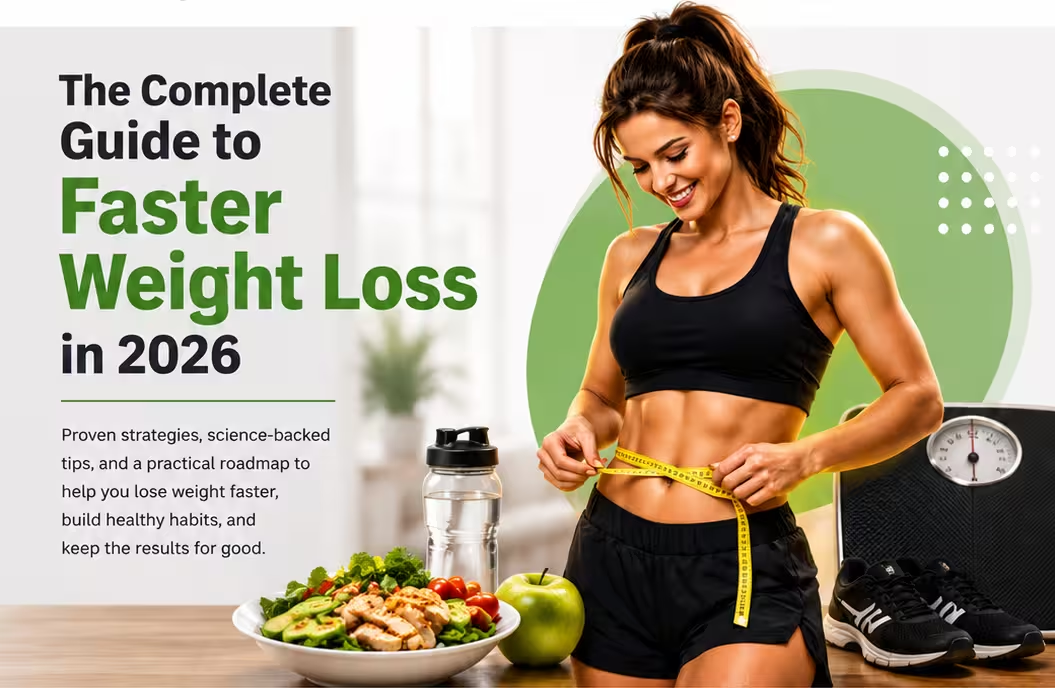
The Complete Guide to Faster Weight Loss in 2026
|

The Complete Guide to Faster Weight Loss in 2026: Every Method, Diet, and Strategy That Actually Works

You’ve probably landed here with a goal in mind — maybe it’s dropping a few pounds before summer, feeling lighter and more energized, or finally making sense of the overwhelming world of diets and fitness advice. Whatever brought you here, you’re in the right place.

This isn’t a list of gimmicks. It’s not a “drink this shake and watch the fat melt away” article. What follows is a comprehensive, honest look at every legitimate weight-loss method and dietary approach available in 2026 — from the time-tested to the cutting-edge — written for anyone who wants to lose weight smarter, faster, and in a way that actually sticks.

Whether you’re 20 pounds from your goal or you’re already fit and chasing peak performance, there’s something here for you.

Let’s get into it.


Table of Contents

  1. Understanding Weight Loss: The Non-Negotiable Foundation
  2. The Top Diets Ranked and Explained
  3. Intermittent Fasting: Every Protocol
  4. Exercise Strategies That Accelerate Fat Loss
  5. Sleep, Stress, and the Hidden Weight Factors
  6. Cutting-Edge Methods: What’s New in 2026
  7. Supplements That Have Evidence Behind Them
  8. Medical and Clinical Options
  9. Building Your Personal Weight Loss Stack
  10. Common Mistakes That Slow Progress
  11. The Mental Side of Weight Loss

1. Understanding Weight Loss: The Non-Negotiable Foundation {#understanding}

Before diving into specific methods, let’s talk about something that no diet book wants to say plainly: all weight loss comes down to energy balance.

Calories in versus calories out — thermodynamics — is the bedrock. But here’s where it gets interesting: the way you eat, sleep, exercise, and manage stress profoundly changes how easy it is to create and sustain that calorie deficit. Some methods make it almost effortless. Others feel like torture.

The Key Hormones You Need to Know

Understanding weight loss in 2026 means understanding your hormonal environment:

  • Insulin: The “storage” hormone. When it’s elevated, your body is in fat-storage mode. Lowering insulin (through diet timing and food choices) unlocks fat burning.
  • Leptin: The satiety hormone. Obese individuals often have leptin resistance — the brain stops hearing the “I’m full” signal.
  • Ghrelin: The hunger hormone. It spikes when you’re sleep-deprived or chronically stressed, making you feel hungrier than you actually are.
  • Cortisol: The stress hormone. Chronically elevated cortisol drives fat storage, especially around the abdomen.
  • Testosterone and Estrogen: These sex hormones influence where fat is stored and how efficiently you build muscle.

Understanding these hormones explains why “just eat less” is simultaneously true and maddeningly incomplete advice.

What Actually Determines Speed of Weight Loss

  • Size of your caloric deficit (the bigger, the faster — to a point)
  • Diet composition (protein, fiber, and fat influence hunger dramatically)
  • Activity level (burns more calories, preserves muscle)
  • Sleep quality (poor sleep tanks fat loss and spikes hunger)
  • Stress levels (cortisol drives fat storage)
  • Your starting body composition (more fat to lose = faster initial progress)
  • Metabolic health (insulin sensitivity matters enormously)

With that foundation, let’s get into the actual methods.


2. The Top Diets Ranked and Explained {#diets}

🥩 The Ketogenic Diet

What it is: A very low-carbohydrate, high-fat diet that shifts your body into ketosis — a metabolic state where fat becomes the primary fuel source.

Macros: Typically 70–75% fat, 20–25% protein, 5% carbohydrates (under 25–50g of net carbs per day).

How it accelerates weight loss: Ketosis dramatically lowers insulin levels, unlocking fat stores. It also suppresses appetite significantly — many keto dieters report simply not feeling hungry, which makes the caloric deficit almost automatic.

Best for: People with insulin resistance, type 2 diabetes, epilepsy, or those who do well eating high amounts of fat and protein. Also excellent for cognitive clarity.

The honest downsides: The first 1–2 weeks (called the “keto flu”) are rough — fatigue, brain fog, irritability. Social eating becomes complicated. It’s not ideal for high-intensity athletes who rely on glycogen.

2026 Update: Cyclic ketogenic dieting (keto 5 days, moderate carbs 2 days) has gained significant popularity as a performance-friendly modification.


🌿 Mediterranean Diet

What it is: Based on the traditional eating patterns of Greece, Italy, and southern Spain. Emphasizes whole grains, vegetables, legumes, olive oil, fish, and moderate wine.

How it accelerates weight loss: It doesn’t create dramatic short-term weight loss, but it’s one of the most effective long-term fat-loss diets because of its sustainability. High in fiber, antioxidants, and healthy fats that regulate hunger hormones.

Best for: Anyone wanting sustainable, lifelong results. Excellent for cardiovascular health, longevity, and mental health alongside weight management.

The honest downsides: Slower initial weight loss compared to keto or very-low-calorie diets. Requires cooking and food preparation.


🥦 Low-Carb / LCHF (Low Carb, High Fat)

What it is: A less extreme version of keto. Carbohydrates are reduced significantly (typically under 100g/day) but not eliminated. This keeps the body in a state of low insulin without necessarily entering full ketosis.

How it accelerates weight loss: Lower insulin = better fat access. Protein and fat are highly satiating. Most people naturally eat fewer calories without counting.

Best for: People who want the metabolic benefits of keto without the strictness. Good for those who exercise moderately and still want carbs occasionally.


🍚 Carnivore Diet

What it is: An elimination diet consisting exclusively of animal products — meat, fish, eggs, and dairy. Zero plant foods.

How it accelerates weight loss: Extremely high protein and fat, virtually zero carbohydrates. Many adherents report dramatic fat loss, reduced inflammation, and resolved autoimmune symptoms.

Best for: People with severe autoimmune conditions, digestive issues, or those who have failed every other dietary approach.

The honest downsides: Highly restrictive. Long-term data is limited. Fiber and many micronutrients are absent. Not suitable for most people as a permanent approach without careful monitoring.

2026 Update: The “animal-based” or “lion diet” variations (beef, lamb, organs, eggs, honey) have become popular as slightly less extreme versions.


🫐 DASH Diet

What it is: Dietary Approaches to Stop Hypertension. Originally designed to lower blood pressure, it emphasizes fruits, vegetables, whole grains, lean proteins, and low-fat dairy while limiting sodium, red meat, and added sugars.

How it accelerates weight loss: High fiber, nutrient-dense, and relatively low in calories. Excellent at reducing water retention associated with high sodium intake.

Best for: People with hypertension, cardiovascular risk, or anyone looking for a balanced, doctor-recommended approach.


🌾 Paleo Diet

What it is: Eating as our paleolithic ancestors ate — meat, fish, eggs, vegetables, fruits, nuts, and seeds. No grains, dairy, legumes, or processed foods.

How it accelerates weight loss: Eliminates most ultra-processed foods, refined sugars, and empty calories. High in protein and fiber, which naturally reduce appetite.

Best for: People who want to clean up their diet significantly without getting into extreme macronutrient tracking.


🌱 Plant-Based / Vegan Diet

What it is: A diet excluding all animal products. When done well, it’s rich in vegetables, fruits, legumes, whole grains, nuts, and seeds.

How it accelerates weight loss: Studies consistently show plant-based eaters have lower BMIs. High fiber content promotes satiety and a healthy gut microbiome. Lower caloric density of plant foods makes overeating harder.

Best for: People motivated by ethics, environmental concerns, or who simply thrive on plant foods. Requires good planning to avoid nutritional deficiencies.

Key nutrients to supplement: B12, Vitamin D, Omega-3 (DHA/EPA), Iron, Zinc, Iodine.


🍽️ Caloric Restriction (CICO: Calories In, Calories Out)

What it is: Simply tracking and reducing total caloric intake regardless of macronutrient breakdown.

How it accelerates weight loss: It directly creates the energy deficit needed for fat loss.

Best for: People who are analytical, enjoy data, and don’t want to eliminate any food groups.

Tools in 2026: Apps like Cronometer, MacroFactor, and Noom use AI to adapt your calorie targets based on your actual weight trend, removing a lot of the guesswork.


🥗 Volumetrics Diet

What it is: Developed by Dr. Barbara Rolls at Penn State. The strategy is to eat foods with high volume but low caloric density — primarily water-rich foods like vegetables, fruits, soups, and lean proteins.

How it accelerates weight loss: You feel physically full and satisfied on fewer calories. The stomach has stretch receptors — filling them with low-calorie, high-volume food sends satiety signals without overdoing the calories.

Best for: People who hate feeling hungry. Excellent for those who struggle with portion control.


⚡ Very Low Calorie Diets (VLCDs)

What it is: Diets of 800 calories or fewer per day, usually medically supervised, often using meal replacements or structured food plans.

How it accelerates weight loss: Rapid and significant fat loss. Studies show outcomes comparable to bariatric surgery when done properly.

Best for: Medically supervised weight loss, often for individuals with significant obesity-related health conditions. Not a DIY approach.

Warning: Must be done under medical supervision. Risk of muscle loss, nutrient deficiency, and metabolic adaptation if done incorrectly.


3. Intermittent Fasting: Every Protocol {#fasting}

Intermittent fasting (IF) is less about what you eat and more about when you eat. It has become one of the most popular and well-researched weight-loss strategies of the last decade.

How IF Works

During fasting periods, insulin drops, glycogen stores deplete, and the body transitions to burning fat for fuel. It also triggers autophagy — a cellular “clean-up” process linked to longevity and metabolic health.


The 16:8 Method (Leangains Protocol)

How it works: Fast for 16 hours, eat within an 8-hour window. For most people, this means skipping breakfast and eating from noon to 8 PM.

Best for: Beginners to IF. Sustainable as a lifestyle. Compatible with social eating in the evenings.

Results: Most people naturally consume 300–500 fewer calories daily without trying, simply by eliminating one eating window.


The 18:6 Method

How it works: A slightly tighter window — 18 hours fasting, 6 hours eating. Eating from 2 PM to 8 PM, for example.

Best for: Those who have adapted to 16:8 and want more aggressive fat loss results.


The 20:4 Method (Warrior Diet)

How it works: 20-hour fast, 4-hour eating window. Often one large meal at the end of the day with small amounts of raw fruits and vegetables during the day.

Best for: Experienced fasters. Not suitable for beginners. Requires clean, nutrient-dense eating in the compressed window.


OMAD: One Meal a Day

How it works: Exactly what it sounds like — all your daily calories consumed in a single sitting, once per day.

Best for: Highly motivated individuals who want maximum simplicity and aggressive fat loss. High protein intake in that meal is critical to preserve muscle.

The honest downsides: Very difficult socially. Can cause digestive stress from large meals. Risk of muscle loss if protein targets aren’t met.


5:2 Fasting

How it works: Eat normally five days a week. On two non-consecutive days, restrict intake to 500–600 calories.

Best for: People who find daily fasting impractical but can commit to occasional very-low-calorie days.


Alternate Day Fasting (ADF)

How it works: Alternate between normal eating days and fasting days (either complete fasting or 500-calorie days).

Results: Studies show significant fat loss (comparable to daily caloric restriction) with potentially better preservation of lean muscle mass.

Best for: Those who want structured variety and can handle the hunger on fasting days.


Extended Fasting (24–72 hours)

How it works: Periodic multi-day fasts. Typically done once a month or less frequently.

Benefits beyond weight loss: Powerful autophagy induction, cellular repair, potential immune system reset, mental clarity.

Warning: Requires medical consultation, especially for those with underlying conditions. Not appropriate for pregnant women, diabetics on medication, or those with a history of eating disorders.


4. Exercise Strategies That Accelerate Fat Loss {#exercise}

Exercise alone is a poor weight-loss strategy — you can’t out-train a bad diet. But the right exercise dramatically accelerates fat loss, preserves muscle, and fundamentally transforms body composition.

🏋️ Resistance Training (Strength Training)

This is arguably the most important form of exercise for body composition. Here’s why: muscle is metabolically expensive. Every pound of muscle burns approximately 6–10 calories per day at rest. Building muscle raises your resting metabolic rate, meaning you burn more calories even when you’re sleeping.

Best approaches:

  • Progressive overload programs (StrongLifts 5×5, Starting Strength for beginners)
  • Hypertrophy training (8–12 reps, moderate weight, higher volume)
  • Full-body training 3x/week (most efficient for beginners)
  • Upper/lower or push/pull/legs splits (for intermediate/advanced)

Frequency: 3–5 times per week is optimal for most people.


🔥 HIIT: High-Intensity Interval Training

What it is: Alternating between periods of maximum effort and active recovery. Example: 30 seconds all-out sprint, 90 seconds walk, repeated 8–10 times.

Why it’s so effective: HIIT creates an “afterburn” effect (excess post-exercise oxygen consumption, or EPOC) — your metabolism stays elevated for 24–48 hours after a session. You can burn the same calories in 20 minutes that a 45-minute jog would achieve.

Best for: Time-constrained individuals. People who get bored with steady-state cardio.

Frequency: 2–3 times per week (it’s demanding — overdoing it leads to injury and overtraining).


🚶 Zone 2 Cardio (Low-Intensity Steady State)

What it is: Sustained aerobic exercise at 60–70% of your maximum heart rate. Think brisk walking, easy cycling, light jogging — where you can hold a conversation but feel mildly challenged.

Why it works: Zone 2 trains your mitochondria to oxidize fat efficiently. It’s the “fat-burning zone” that actually lives up to its name. It also dramatically improves cardiovascular health, insulin sensitivity, and longevity markers.

Best for: Long-term metabolic health. Excellent combined with resistance training and HIIT.

Frequency: 150–200 minutes per week is the evidence-based target.


🏃 Traditional Cardio

Walking, running, cycling, swimming, rowing — classic and effective. Not as time-efficient as HIIT, but extremely accessible and sustainable. A 60-minute walk burns 200–400 calories depending on body weight and pace.

Walking deserves special mention: It’s underrated as a fat-loss tool. It doesn’t trigger the compensatory hunger that running often does, making it one of the best “bonus calorie burn” activities available. Aim for 8,000–12,000 steps per day.


🤸 Concurrent Training

Combining resistance training and cardio in an optimized sequence. Research in 2026 increasingly supports doing strength training first, cardio second, for maximal fat loss and muscle preservation.


🧘 Non-Exercise Activity Thermogenesis (NEAT)

NEAT is all the calories you burn outside of formal exercise — fidgeting, walking to your car, doing dishes, taking stairs. Studies show NEAT can vary by up to 2,000 calories per day between individuals.

How to increase NEAT:

  • Stand instead of sit when possible
  • Take the stairs, always
  • Walk during phone calls
  • Park farther away
  • Walk after meals (this also blunts post-meal blood sugar spikes)
  • Set a timer to stand every 30 minutes

5. Sleep, Stress, and the Hidden Weight Factors {#lifestyle}

😴 Sleep: The Most Underrated Weight Loss Tool

The data here is unambiguous and humbling: poor sleep derails fat loss more effectively than almost any dietary mistake.

A landmark study found that reducing sleep from 8.5 hours to 5.5 hours — over two weeks — caused participants to lose 55% less fat and 60% more muscle mass compared to adequate sleepers on the same caloric deficit.

Why sleep matters so much:

  • Sleep deprivation spikes ghrelin (hunger hormone) and suppresses leptin (satiety hormone) — you’ll feel 20–24% hungrier after poor sleep
  • Cortisol rises, driving abdominal fat storage
  • Insulin sensitivity drops, making the same foods more “fattening”
  • Willpower and decision-making tank, making food choices worse
  • Growth hormone (which drives fat burning and muscle repair) is primarily released during deep sleep

Practical sleep optimization:

  • Target 7–9 hours per night
  • Keep your room dark, cool (65–68°F / 18–20°C), and quiet
  • No screens 60 minutes before bed (blue light suppresses melatonin)
  • Consistent sleep/wake times — even on weekends
  • Avoid alcohol within 3 hours of bedtime (it destroys sleep quality)
  • Morning sunlight exposure helps anchor your circadian rhythm

😤 Stress Management

Chronic stress is a silent fat-gain engine. Elevated cortisol:

  • Increases appetite (especially for sugary, high-fat foods)
  • Directs fat storage to the visceral (belly) area
  • Breaks down muscle tissue for energy
  • Impairs digestion and nutrient absorption

Proven stress-reduction strategies:

  • Meditation and mindfulness: Even 10 minutes daily has measurable cortisol-lowering effects
  • Breathwork: Box breathing, 4-7-8 breathing, and physiological sighs activate the parasympathetic nervous system rapidly
  • Time in nature: Studies show cortisol drops significantly within 20 minutes of being in green spaces
  • Social connection: Loneliness elevates cortisol; meaningful social time lowers it
  • Journaling: Processing stress through writing reduces its hormonal impact
  • Sauna therapy: Regular sauna use is associated with lower cortisol and improved cardiovascular health

💧 Hydration

Water plays a more important role in weight loss than most people realize:

  • Metabolism boost: Drinking 500ml of water temporarily boosts metabolic rate by 24–30% for 60 minutes
  • Hunger suppression: Thirst is frequently misread as hunger — many “hunger” episodes disappear with a large glass of water
  • Performance: Even mild dehydration (1–2%) reduces workout performance significantly
  • Liver function: The liver is responsible for fat metabolism — it functions optimally when well-hydrated

Target: Half your body weight in pounds in ounces of water per day (e.g., if you weigh 160 lbs, aim for 80 oz / ~2.4 liters). More if you exercise intensely or live in a hot climate.


🦠 Gut Microbiome

The gut microbiome has emerged as a major player in weight management. The trillions of bacteria in your gut influence:

  • How many calories you extract from food
  • Inflammation levels
  • Appetite hormone production
  • Mood and cravings

How to optimize your microbiome:

  • Eat 30+ different plant foods per week (diversity is key)
  • Include fermented foods: kimchi, sauerkraut, kefir, yogurt, miso
  • Avoid unnecessary antibiotics and artificial sweeteners (especially sucralose and saccharin, which disrupt microbiome balance)
  • Consider a high-quality probiotic (Lactobacillus and Bifidobacterium strains have the most evidence)

6. Cutting-Edge Methods: What’s New in 2026 {#new-methods}

💊 GLP-1 Receptor Agonists (The Weight Loss Medication Revolution)

If you haven’t heard of semaglutide (Ozempic, Wegovy) or tirzepatide (Mounjaro, Zepbound) by now, you’ve been living off-grid. These medications have fundamentally changed the weight-loss landscape.

How they work: GLP-1 (glucagon-like peptide-1) receptor agonists mimic a gut hormone that regulates appetite. They slow stomach emptying, reduce appetite significantly, and improve insulin sensitivity. The result: people naturally eat much less without feeling deprived.

Results in clinical trials:

  • Semaglutide (2.4mg weekly): Average 15–17% body weight loss over 68 weeks
  • Tirzepatide: Average 20–22% body weight loss — approaching surgical outcomes

2026 Update: Oral semaglutide (Rybelsus) and newer agents like retatrutide (a triple agonist targeting GLP-1, GIP, and glucagon receptors) are now more widely available, showing up to 24% weight loss in trials. Competition has also significantly reduced costs.

The honest reality: These medications are powerful tools — not magic bullets. Diet and exercise still matter for maintaining muscle and long-term success. Weight returns if medication is stopped without lifestyle changes.


🧬 Continuous Glucose Monitoring (CGM)

CGMs — small sensors worn on the arm that track blood glucose in real time — were once only for diabetics. Now they’re mainstream wellness tools.

Why it matters for fat loss: Knowing how your blood sugar responds to specific foods, stress, sleep, and exercise allows you to personalize your diet with extraordinary precision. What spikes one person’s glucose may be totally benign for another.

Popular options in 2026: Dexterity Bio, Levels, and Nutrisense offer consumer-friendly CGM subscriptions with coaching and app integration.


🧪 Personalized Nutrition / Nutrigenomics

DNA-based nutrition is maturing. Companies now offer genetic testing that analyzes:

  • How efficiently you metabolize carbohydrates, fats, and protein
  • Your caffeine metabolism (fast vs. slow metabolizers)
  • Predispositions to certain vitamin deficiencies
  • Optimal macronutrient ratios for your genotype

2026 reality check: The science is promising but not yet precise enough to replace general evidence-based nutrition. Use it as a starting point, not a prescription.


🏃 Peptide Therapy

Peptides — short chains of amino acids — are increasingly used in wellness and weight management contexts:

  • BPC-157: Accelerates injury healing and improves gut health
  • CJC-1295 / Ipamorelin: Stimulate growth hormone release, supporting fat loss and muscle gain during sleep
  • AOD 9604: A fragment of growth hormone specifically studied for fat metabolism

Important: Most peptides are not FDA-approved for weight loss. This is a gray area that requires working with a knowledgeable physician.


🧊 Cold Therapy

Cold water immersion and cold showers have mainstream cultural momentum — and real science behind them:

  • Brown fat activation: Cold exposure activates brown adipose tissue, which burns energy to generate heat
  • Norepinephrine surge: Cold exposure spikes norepinephrine by 200–300%, improving mood, focus, and metabolic rate
  • Improved insulin sensitivity

Practical approach:

  • Cold showers: Start with 30–60 seconds of cold at the end of your shower, work up to 2–3 minutes
  • Cold water immersion: 11 minutes per week total (e.g., 2–3 sessions of 3–5 minutes at 50–59°F / 10–15°C) based on Andrew Huberman’s widely-cited protocol

🔬 Time-Restricted Eating + Circadian Biology

Emerging research shows that when you eat relative to your circadian rhythm matters nearly as much as what you eat.

Eating in alignment with daylight hours — front-loading calories earlier in the day — improves metabolic outcomes compared to the same calories eaten later. The liver, gut, and metabolic tissues all have their own circadian clocks.

Practical application:

  • Eat your largest meal at lunch, not dinner
  • Aim to finish eating 2–3 hours before bed
  • Breakfast eaters tend to have better metabolic health markers than those who skip it and eat late
7. Supplements That Have Evidence Behind Them {#supplements}

The supplement industry is full of snake oil. Here’s what actually has meaningful evidence:

✅ Creatine Monohydrate

Primarily known for muscle performance, creatine also supports body composition by increasing training capacity (you can do more work) and preserving muscle during fat loss. 5g daily. One of the most studied and safe supplements in existence.

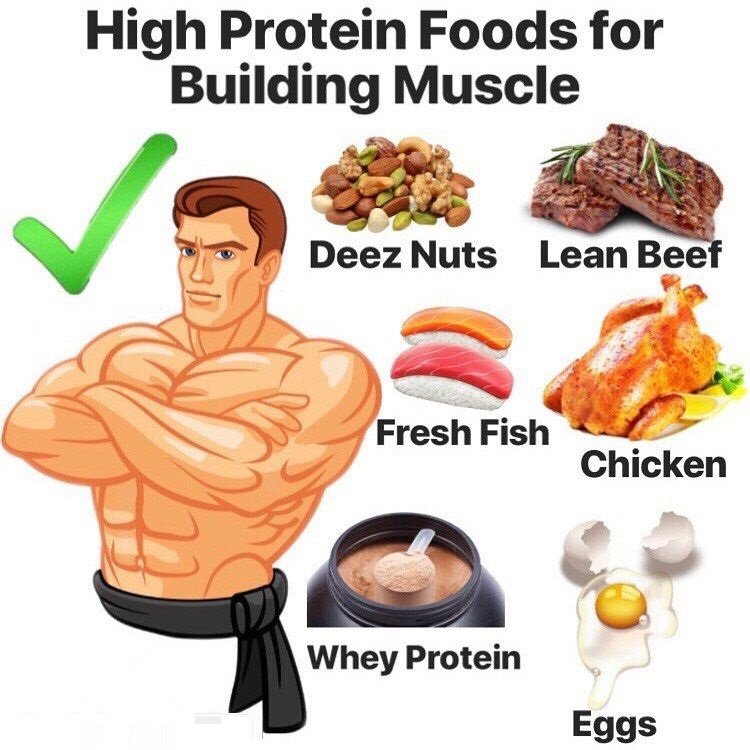
✅ Protein Powder (Whey, Casein, Plant-Based)

Not a magic supplement — just a convenient food. Protein is the most important macronutrient for fat loss: it preserves muscle, is the most satiating macronutrient, and has the highest thermic effect (your body burns 20–30% of protein calories just digesting it). Target 0.7–1g per pound of body weight daily.

✅ Caffeine

The most effective, most studied, and most accessible performance and fat-loss supplement. Increases metabolic rate by 3–11%, improves fat oxidation during exercise, and suppresses appetite. Coffee is fine. Optimal timing: 90 minutes after waking (to let cortisol peak naturally) and not after 1–2 PM to protect sleep.

✅ Omega-3 Fatty Acids (EPA and DHA)

Reduces inflammation (which can impair fat loss), improves insulin sensitivity, and may modestly enhance fat oxidation. 2–4g of EPA+DHA daily from high-quality fish oil or algae-based sources.

✅ Vitamin D3 + K2

A significant percentage of the population is vitamin D deficient. Low vitamin D is associated with higher body fat, poor mood, and reduced athletic performance. 2,000–5,000 IU of D3 with K2 (to direct calcium properly).

✅ Magnesium

Magnesium plays a role in over 300 enzymatic reactions, including glucose metabolism and insulin signaling. Most people are deficient. Magnesium glycinate or malate before bed also significantly improves sleep quality.

✅ Fiber Supplements (Psyllium Husk, Glucomannan)

Soluble fiber dramatically improves satiety. Glucomannan, in particular, has solid clinical evidence for reducing caloric intake and supporting weight loss. Take before meals with plenty of water.

⚠️ Green Tea Extract (EGCG)

Modest fat-burning effect, primarily by inhibiting the breakdown of norepinephrine. More meaningful when combined with caffeine. Risk of liver toxicity at high doses — don’t exceed recommended dosing.

⚠️ Berberine

Sometimes called “nature’s metformin,” berberine improves insulin sensitivity and glucose metabolism. Increasingly popular as a supplement for those who want metabolic benefits without medication. Interesting preliminary data — consult a physician.


8. Medical and Clinical Options {#medical}

Prescription Weight Loss Medications

Beyond GLP-1 agonists, other medications used for weight management include:

  • Phentermine/Topiramate (Qsymia): Appetite suppressant combination
  • Bupropion/Naltrexone (Contrave): Targets reward pathways that drive overeating
  • Orlistat (Alli/Xenical): Reduces fat absorption in the gut

All require prescription and medical supervision.


Bariatric Surgery

For individuals with severe obesity (BMI >40 or >35 with obesity-related conditions), surgical options remain the most powerful long-term intervention:

  • Roux-en-Y Gastric Bypass: Reduces stomach size and bypasses part of the small intestine. Average 60–80% excess weight loss.
  • Sleeve Gastrectomy: Removes ~80% of the stomach. Most common bariatric procedure today.
  • Adjustable Gastric Band: Less common now; reversible but less effective.
  • Duodenal Switch: Most aggressive option; greatest weight loss but highest risk.

Body Contouring and Non-Surgical Fat Reduction

These are not weight-loss tools — they’re body-composition tools for removing stubborn localized fat:

  • CoolSculpting (Cryolipolysis): Freezes and destroys fat cells in specific areas
  • Emsculpt Neo: Combines radiofrequency fat reduction with high-intensity electromagnetic muscle stimulation
  • Laser lipolysis (SculpSure): Laser energy disrupts fat cell membranes
  • Traditional Liposuction: Surgical removal of fat

9. Building Your Personal Weight Loss Stack {#stack}

The most effective approach isn’t choosing one method — it’s intelligently combining several. Here’s how to think about it:

For Beginners: The Foundational Stack

  1. Diet: Start with whole foods, eliminate ultra-processed foods, increase protein to 0.8g per pound of body weight
  2. Eating window: Implement 16:8 IF — skip breakfast, eat noon to 8 PM
  3. Activity: Walk 8,000–10,000 steps daily + 2–3x resistance training per week
  4. Sleep: Prioritize 7–8 hours. Non-negotiable.
  5. Hydration: 2–3 liters of water daily
  6. Supplements: Protein powder (if needed to hit targets), Vitamin D3, Omega-3s, Magnesium

Expected results: 1–2 lbs per week, which is the gold standard rate for fat loss with muscle preservation.


For Intermediate Fitness Enthusiasts: Optimizing the Stack

  1. Diet: Targeted low-carb (under 100g carbs on non-training days, moderate carbs around workouts)
  2. Fasting: 18:6 or 20:4 on rest days, more flexible on training days
  3. Training: 4x resistance training + 2x HIIT + daily 8,000+ steps
  4. Recovery: Cold therapy, sauna, priority sleep
  5. Tracking: CGM experimentation, calorie tracking with MacroFactor
  6. Supplements: Creatine, caffeine, protein, Omega-3s, Vitamin D3

For Advanced or Performance-Focused Individuals

  • Periodized nutrition (bulking and cutting cycles)
  • Zone 2 cardio for metabolic efficiency
  • Advanced bloodwork to identify deficiencies and optimize hormones
  • Potentially peptide therapy under physician guidance
  • Precise sleep tracking (Oura Ring, Whoop) and HRV monitoring for recovery optimization

10. Common Mistakes That Slow Progress {#mistakes}

Eating Too Little Protein

This is the number one diet mistake. Without adequate protein, your body breaks down muscle for energy during a caloric deficit. You’ll lose weight — but you’ll be losing the wrong kind.

Fix: 0.7–1g of protein per pound of body weight daily, spread across meals.


Not Tracking Accurately (or At All)

Studies consistently show that people underestimate their caloric intake by 20–50%. What you think is 1,800 calories is often 2,400.

Fix: Weigh your food with a kitchen scale for at least 2–4 weeks. Use an app. You’ll be shocked.


Doing Too Much Cardio

Excessive cardio increases appetite, elevates cortisol, and breaks down muscle. Many chronic cardio exercisers struggle to lose fat because their body adapts by increasing hunger to compensate.

Fix: Prioritize resistance training. Use cardio strategically (Zone 2 and HIIT), not compulsively.


Ignoring Sleep

No amount of dietary perfection compensates for chronic sleep deprivation. Period.


Skipping Strength Training (Especially Women)

Women especially tend to gravitate toward cardio and avoid weights out of fear of “getting bulky.” But resistance training is the foundation of a toned, lean physique. You don’t get bulky from lifting — you get lean and defined.


The “All or Nothing” Mindset

Missing one workout, eating one slice of cake, having one bad day — these don’t ruin progress. What ruins progress is the psychological spiral that turns one bad day into a week of abandonment.

Fix: Adopt the 80/20 rule. Be excellent 80% of the time. Allow flexibility the other 20%.


Rewarding Exercise with Food

A 45-minute run burns roughly 400 calories. A post-workout smoothie at a juice bar can contain 600–800. Many people gain weight from an exercise routine because they over-reward themselves.


Expecting Linear Progress

Weight fluctuates daily by 2–5 pounds based on water retention, hormones, sodium, carbohydrate intake, and digestive content. Judging progress by a single daily weigh-in is emotionally destructive and statistically meaningless.

Fix: Weigh yourself daily and look at the 7–14 day trend. Use an app like Happy Scale to smooth the data.


11. The Mental Side of Weight Loss {#mindset}

Every method in this article fails without this piece.

Identity, Not Just Goals

James Clear’s insight from Atomic Habits applies perfectly here: sustainable fat loss comes from identity change, not just goal setting. Instead of “I want to lose 20 pounds,” ask “who is the person I want to become?” and then act like that person starting today.

“I’m someone who moves their body every day.” “I’m someone who prioritizes sleep.” “I’m someone who eats in a way that makes me feel good.”

Small identity statements, acted on daily, create the person who naturally maintains a healthy weight.


Food Relationship Matters

If your relationship with food is characterized by guilt, restriction, binge cycles, and emotional eating — no diet will fix that. In fact, aggressive restriction often makes it worse.

If this resonates: Consider working with a therapist who specializes in Cognitive Behavioral Therapy (CBT) or Acceptance and Commitment Therapy (ACT) alongside your dietary changes. The mental and emotional work is real work.


Patience as a Strategy

The culture of quick fixes is everywhere. But the research is clear: slower weight loss (0.5–1% of body weight per week) preserves muscle better, leads to better metabolic outcomes, and results in significantly better maintenance.

The goal isn’t a 90-day transformation. The goal is building a life where a lean, energized body is your natural, effortless baseline.


The Social Environment

Your social circle influences your weight more than almost any other factor. People tend to match the eating habits, activity levels, and lifestyle norms of those around them.

This isn’t a reason to abandon your friends — it’s a reason to be intentional. Find at least one person pursuing similar health goals. Join a gym community. Be the person in your social group who subtly raises the standard.


Final Thoughts: Your Next Step

You’ve just read one of the most comprehensive breakdowns of weight loss strategies available. The information isn’t the obstacle — it never was. What stands between where you are and where you want to be is consistent action on a handful of fundamentals.

Here’s the most important takeaway from all of this:

The best method is the one you can sustain.

Keto works — if you love it. Intermittent fasting works — if the eating window fits your life. Resistance training works — if you find a program you enjoy. Plant-based eating works — if it aligns with your values and preferences.

Pick the approach that resonates. Start with one change this week. Build on it next week. In twelve months, you’ll look back and barely recognize your old habits.

That’s not inspiration — that’s just how behavioral change actually works.


This article is for informational purposes only and does not constitute medical advice. Consult a qualified healthcare provider before making significant changes to your diet, exercise routine, or considering any medications or supplements — especially if you have underlying health conditions.


Tags: weight loss, diet, intermittent fasting, keto, Mediterranean diet, fat loss, fitness, wellness, GLP-1, semaglutide, HIIT, strength training, nutrition, healthy eating, metabolism, 2026


Did this help? Share it with someone who’s been searching for a clear, honest guide to weight loss.

Similar Posts

Leave a Reply