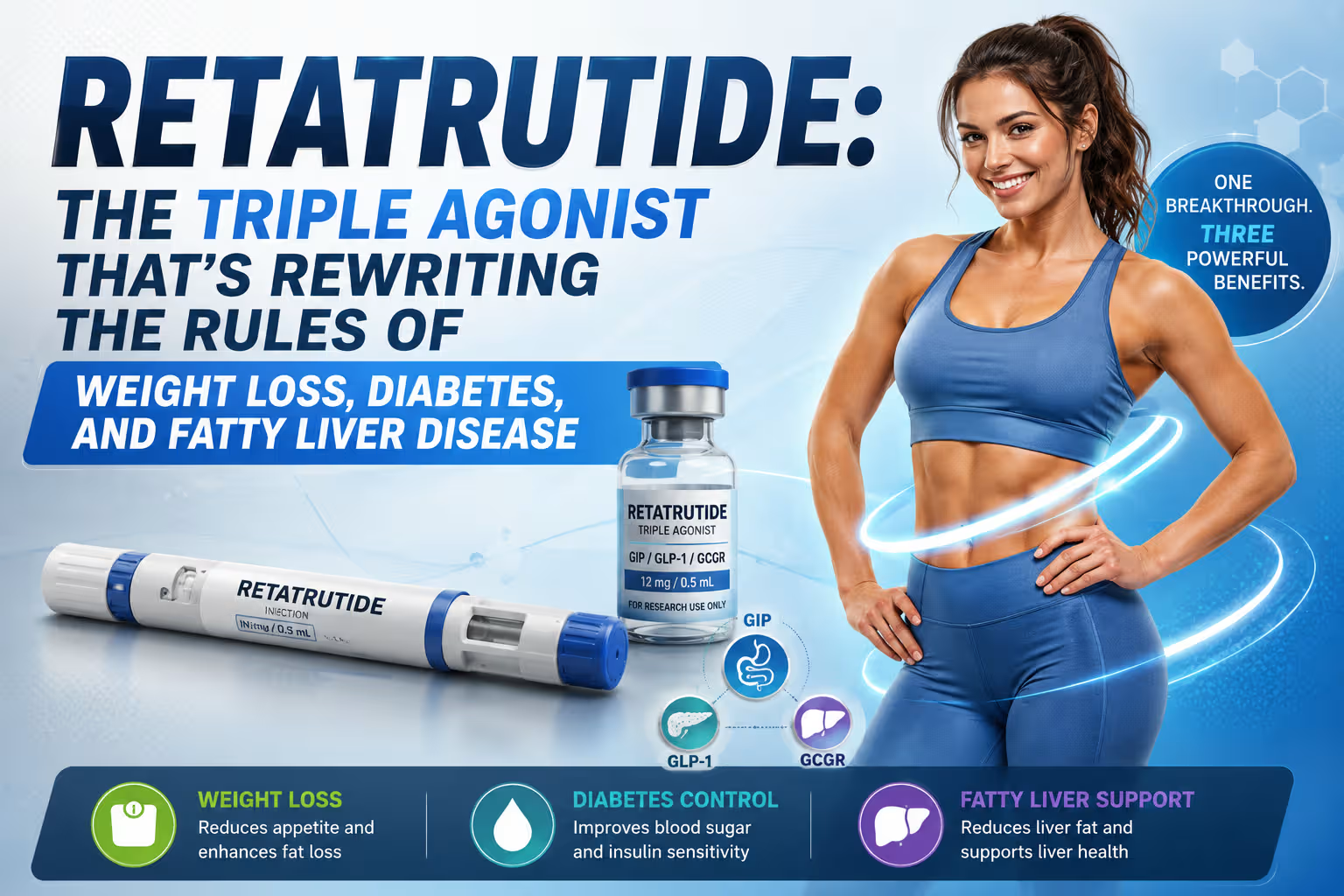
Retatrutide: The Triple Agonist That’s Rewriting the Rules of Weight Loss, Diabetes, and Fatty Liver Disease
Let’s be direct about something before we start: the weight-loss drug space has had no shortage of hype over the last few years. Ozempic made headlines. Mounjaro changed the conversation. And then, quietly, data started coming out about a molecule called retatrutide — and the researchers reading it went unusually silent for a moment.
That silence wasn’t confusion. It was the pause that happens when a number doesn’t look like what you expected.
A 28.7% average reduction in body weight. An 86% reduction in liver fat. Knee pain resolved in patients who’d lived with it for years. Blood sugar improvements that rival what surgery achieves. And all of it from a once-weekly injection that works on three hormonal pathways simultaneously — something no approved drug has ever done before.
This is the complete guide to retatrutide: what it is, how it works, what every major clinical trial has shown, and what it means for anyone dealing with obesity, type 2 diabetes, fatty liver disease, or the cluster of conditions that tend to travel together.
Table of Contents
- What Is Retatrutide and Why Is It Different?
- How It Works: The Triple Agonist Mechanism Explained
- Retatrutide for Weight Loss: The Trial Data, Number by Number
- Retatrutide and Type 2 Diabetes: The TRANSCEND Results
- Retatrutide and Fatty Liver Disease (MASLD/MASH): The Most Surprising Data
- Retatrutide and Osteoarthritis: The Unexpected Win
- Retatrutide and Sleep Apnea: What’s Being Studied
- Cardiovascular Benefits: Blood Pressure, Cholesterol, and Beyond
- The Full TRIUMPH Program: What 8 Phase 3 Trials Are Testing
- Side Effects and Tolerability: The Honest Picture
- Retatrutide vs. Ozempic vs. Mounjaro: The Honest Comparison
- FDA Approval Timeline and Availability
- Who Is Retatrutide For?
- Frequently Asked Questions
1. What Is Retatrutide and Why Is It Different?
Retatrutide — also known by its research code LY3437943 — is an investigational drug developed by Eli Lilly, the same company behind tirzepatide (Mounjaro/Zepbound). It’s a synthetic peptide administered as a once-weekly subcutaneous injection, and as of May 2026, it remains under investigation and has not yet received FDA approval.
But the clinical trial data is far enough along — and far enough beyond what came before — that the medical world is watching its progress with a level of attention that borders on impatience.
So what makes it different from semaglutide (Ozempic/Wegovy) or tirzepatide (Mounjaro/Zepbound)?
The answer is one receptor. Semaglutide targets one hormonal pathway (GLP-1). Tirzepatide targets two (GLP-1 and GIP). Retatrutide targets three: GLP-1, GIP, and glucagon — making it the first triple hormone receptor agonist to reach Phase 3 clinical trials.
That third receptor — glucagon — turns out to matter enormously. More on why in the next section.
The drug was designed to maximize the metabolic benefits of all three systems simultaneously, creating a compound effect that appears to be genuinely greater than the sum of its parts. The Phase 2 and Phase 3 data, at this point, largely confirm that hypothesis.
2. How It Works: The Triple Agonist Mechanism Explained
Understanding retatrutide requires understanding the three hormonal systems it works on. None of these is mysterious — they’re all deeply integrated into how your body manages energy, blood sugar, appetite, and fat storage.
GLP-1: The Satiety and Insulin Signal
GLP-1 (glucagon-like peptide-1) is a hormone released from your gut after eating. It does several things at once: it signals the pancreas to release insulin (lowering blood sugar), it slows gastric emptying (making you feel full longer), and it signals the brain’s appetite centers that you’ve eaten enough. Drugs that activate the GLP-1 receptor — like semaglutide — use these effects to suppress appetite and improve blood sugar control.
Retatrutide activates the GLP-1 receptor, giving it the same foundation as Ozempic.
GIP: Amplifying the Insulin Response and Reducing Nausea
GIP (glucose-dependent insulinotropic polypeptide) is another gut hormone released after meals. It amplifies the insulin response to food and has effects on fat tissue and the brain’s reward circuitry related to eating. When combined with GLP-1 activation, GIP appears to make the appetite suppression more effective and, importantly, better tolerated — one reason tirzepatide causes less nausea than semaglutide at comparable weight-loss doses.
Glucagon: The Metabolic Accelerator — and the Game Changer
Here’s where retatrutide separates itself from everything that came before.
Glucagon is typically known as the “counter-regulatory hormone” — it raises blood sugar when levels drop too low. But activating the glucagon receptor at controlled levels does something metabolically extraordinary: it dramatically increases energy expenditure and fat burning, particularly in the liver.
Glucagon signals the liver to ramp up fat oxidation (burning fat for energy), reduce fat synthesis, and increase basal metabolic rate. This direct hepatic action is the primary reason retatrutide’s data on liver fat is so dramatically different from what’s seen with GLP-1 agonists alone.
The challenge historically with glucagon agonism was that activating the glucagon receptor alone would raise blood sugar — which is the opposite of what you want in someone managing obesity and metabolic disease. Retatrutide solves this elegantly: the GLP-1 component’s insulin-stimulating effects offset the glucose-raising tendency of glucagon, allowing the metabolic benefits of glucagon to be realized without hyperglycemia.
That biochemical balance is the engineering feat at the center of this molecule.
In Summary: What the Triple Combination Achieves
- Less hunger (GLP-1 + GIP acting on appetite centers)
- Better blood sugar control (GLP-1 + GIP stimulating insulin release)
- Higher fat burning (glucagon accelerating hepatic and whole-body fat oxidation)
- Better tolerance (GIP softening nausea compared to GLP-1 alone)
- Direct liver fat reduction (glucagon receptor activation in hepatic tissue)
- Reduced gastric emptying (GLP-1, prolonging satiety)
This combination produces effects that no single or dual agonist has achieved to date.
3. Retatrutide for Weight Loss: The Trial Data, Number by Number
Let’s go through what the trials actually showed — in order, from Phase 2 through the first Phase 3 readout.
Phase 2: The NEJM Paper That Turned Heads (2023)
The first major human trial data was published in the New England Journal of Medicine in June 2023. This was a randomized, double-blind, placebo-controlled Phase 2 trial enrolling adults with obesity or overweight who did not have type 2 diabetes.
At 24 weeks (6 months):
- The 12 mg dose group achieved a mean weight reduction of 17.5% — surpassing tirzepatide’s Phase 2 results at the same timepoint
At 48 weeks (11 months):
- The 12 mg dose group achieved a mean weight reduction of 24.2%, translating to an average of 57.8 pounds (26.2 kg) lost
- The 8 mg dose achieved 22.8% mean weight loss
To put that in context: semaglutide (Wegovy) achieves approximately 15% weight loss at 68 weeks in its pivotal trials. Tirzepatide achieves approximately 21% at 72 weeks. Retatrutide hit 24.2% at 48 weeks — a shorter timeframe and a larger loss.
The placebo group, for reference, lost about 2%.
Response rates were remarkable:
- Nearly 100% of participants in the 12 mg group achieved ≥5% weight loss
- More than 90% achieved ≥10% weight loss
- More than 75% achieved ≥15% weight loss
- A substantial proportion achieved ≥20% weight loss
These rates represent a significant step above what was seen even with tirzepatide.
Phase 3 TRIUMPH-4: The December 2025 Readout
The first Phase 3 results for retatrutide arrived in December 2025 from the TRIUMPH-4 trial — a 68-week randomized, placebo-controlled study of 445 adults with obesity or overweight combined with knee osteoarthritis.
Weight loss results using the “treatment-regimen estimand” (which accounts for people who discontinued):
- 9 mg dose: Average weight loss of 20.0% (50.5 lbs / 22.9 kg)
- 12 mg dose: Average weight loss of 23.7% (60.0 lbs / 27.2 kg)
Among participants who remained on treatment throughout (the “efficacy estimand”), the results were even more striking:
- 9 mg dose: 26.4% average weight loss
- 12 mg dose: 28.7% average weight loss — translating to an average of 71.2 pounds (32.3 kg)
Proportion achieving major weight loss thresholds at 12 mg (efficacy estimand):
- 58.6% achieved ≥25% weight loss
- 39.4% achieved ≥30% weight loss
- Nearly 1 in 4 participants (23.7%) achieved ≥30% weight loss
Let that sink in. Nearly a quarter of participants lost more than 30% of their body weight. That’s the territory of bariatric surgery outcomes — achieved with a weekly injection.
The TRIUMPH-1 trial — the largest general obesity trial in the TRIUMPH program — is expected to report in Q2–Q3 2026 and will form the core of Lilly’s FDA submission.
What a 24–28% Weight Loss Actually Looks Like
Numbers on a page don’t fully communicate what this means for a person.
If you weigh 250 lbs (113 kg):
- 24% weight loss = 60 lbs lost, ending at 190 lbs
- 28% weight loss = 70 lbs lost, ending at 180 lbs
If you weigh 300 lbs (136 kg):
- 24% weight loss = 72 lbs lost, ending at 228 lbs
- 28% weight loss = 84 lbs lost, ending at 216 lbs
That’s life-changing weight loss for most people — the kind of change that takes blood pressure from “you need medication” to normal, that takes blood sugar from pre-diabetic to healthy, that takes a person from limited mobility to active.
4. Retatrutide and Type 2 Diabetes: The TRANSCEND Results
In March 2026, Eli Lilly announced positive topline results from TRANSCEND-T2D-1 — a Phase 3 clinical trial specifically evaluating retatrutide in adults with type 2 diabetes who had inadequate glycemic control on diet and exercise alone.
The trial enrolled participants with a mean duration of diabetes of 2.5 years — earlier-stage disease where aggressive intervention can be most transformative.
The results showed “significant reductions in A1C and weight” — the two primary endpoints any diabetes drug needs to demonstrate. Full data from this trial has not yet been published in peer-reviewed form, but the topline announcement marks the first Phase 3 confirmation of retatrutide’s diabetes efficacy.
What Phase 2 Data Already Showed
Earlier Phase 2 data in people with type 2 diabetes (Lancet, 2023) demonstrated:
- Significant reductions in HbA1c (the 3-month average blood sugar marker)
- Weight loss comparable to the non-diabetic cohort
- Improvements in fasting plasma glucose
- Better metabolic markers across the board
The triple-agonist mechanism is particularly relevant in type 2 diabetes. The GLP-1 and GIP components both enhance glucose-dependent insulin secretion (meaning they only stimulate insulin when blood sugar is elevated, reducing the risk of hypoglycemia). The glucagon component — while it can raise blood sugar in isolation — is counterbalanced by the insulin-enhancing effects of the other two arms.
What this creates is a highly nuanced glycemic control mechanism. Not the blunt “take insulin to force blood sugar down” approach, but a physiologically intelligent system that mimics how healthy metabolic hormones work together.
The Bigger Picture for Diabetes
For context: semaglutide (at 2.4 mg) achieves approximately 1.3–1.5% reductions in HbA1c in diabetic populations. Tirzepatide achieves approximately 2.0–2.3%. Retatrutide’s Phase 2 data suggested it could match or exceed tirzepatide’s performance, potentially making it the most effective non-insulin option for type 2 diabetes management once approved.
The TRIUMPH-5 trial (active-comparator design against other diabetes treatments) and additional TRANSCEND trials will clarify the comparative data in 2026.
5. Retatrutide and Fatty Liver Disease (MASLD/MASH): The Most Surprising Data
If the weight-loss numbers made researchers pay attention, the liver fat data made them put down their coffee and re-read the printout.
First, the Background: A Massive Unmet Need
Metabolic dysfunction-associated steatotic liver disease — MASLD, previously known as NAFLD (non-alcoholic fatty liver disease) — affects approximately 30% of the global adult population. It’s a condition where excess fat accumulates in the liver, not from alcohol consumption, but from metabolic dysfunction: insulin resistance, excess caloric intake, and poor metabolic health.
Left untreated, MASLD can progress to MASH (metabolic dysfunction-associated steatohepatitis) — the inflammatory, fibrotic stage — which can eventually lead to cirrhosis, liver failure, and liver cancer. It’s becoming the leading cause of liver transplantation globally.
Until March 2024, there were zero FDA-approved drugs specifically for fatty liver disease. The standard advice was “lose weight and exercise” — effective in principle, but rarely sustained to the 7–10% body weight reduction needed to meaningfully reduce liver fat.
That landscape is now changing rapidly — and retatrutide’s data sits at the frontier of that change.
The Phase 2a MASLD Substudy (Nature Medicine, 2024)
A prespecified substudy of the Phase 2 obesity trial evaluated participants who had MASLD at baseline (≥10% liver fat content, measured by MRI-PDFF — the gold standard for non-invasive liver fat assessment). This was published by Sanyal and colleagues in Nature Medicine in 2024.
The findings at 24 weeks:
| Dose | Relative Reduction in Liver Fat |
|---|---|
| 1 mg | 42.9% |
| 4 mg | 57.0% |
| 8 mg | 81.4% |
| 12 mg | 82.4% |
| Placebo | 0.3% |
At 48 weeks (the full treatment period):
- The 12 mg dose reduced liver fat by approximately 86%
- Among participants on the highest dose, 93% achieved complete normalization of liver fat — defined as liver fat content falling below 5%, the threshold used to define the condition
Read that again: 93% of people on retatrutide 12 mg no longer had diagnosable fatty liver disease at the end of the study.
For comparison, GLP-1 agonists like semaglutide typically produce 30–50% reductions in liver fat. Retatrutide’s numbers are in a different category entirely.
Why Retatrutide Works So Well on the Liver
The glucagon receptor component is the key differentiator here.
Glucagon has a powerful direct effect on the liver: it activates fat oxidation pathways (telling the liver to burn stored fat for energy), suppresses lipogenesis (the creation of new fat), and reduces fatty acid uptake. This direct hepatic action occurs independently of — and in addition to — the liver fat reduction that comes simply from losing body weight.
In other words, retatrutide attacks liver fat through two separate mechanisms simultaneously:
- Systemically, by driving substantial weight loss (which improves liver fat across all weight-loss interventions)
- Directly, via glucagon receptor activation in liver tissue itself
This dual-mechanism action explains why retatrutide’s liver fat results so dramatically exceed what’s seen with GLP-1 agonists at similar levels of weight loss.
Liver Enzyme Improvements
The MASLD substudy also showed significant improvements in ALT and AST — liver enzymes that are elevated when the liver is inflamed or damaged. These improvements correlated closely with the degree of liver fat reduction, suggesting that the drug is reducing hepatic inflammation, not just fat content.
What’s Coming: Phase 3 MASLD Trial
A dedicated Phase 3 trial for MASLD is underway (NCT06859268), expected to report in 2026. Unlike the Phase 2 substudy, this trial will use liver biopsies — the definitive standard for assessing MASH resolution and fibrosis improvement — as its primary endpoints. Demonstrating fibrosis regression would be required for a specific MASLD/MASH regulatory indication.
Given the Phase 2 numbers, the expectations for this trial are high.
6. Retatrutide and Osteoarthritis: The Unexpected Win
The TRIUMPH-4 trial wasn’t just a weight-loss study — it was designed with two co-primary endpoints: body weight reduction and knee osteoarthritis pain. And the pain data was striking.
What the Trial Found
TRIUMPH-4 enrolled 445 adults with both obesity/overweight and symptomatic knee osteoarthritis — two conditions that are deeply interconnected, since excess weight dramatically accelerates joint damage and inflammation.
Pain was measured using the WOMAC (Western Ontario and McMaster Universities Osteoarthritis Index) scale, a validated tool where higher scores indicate more pain.
Results at 68 weeks:
- 9 mg dose: WOMAC pain scores reduced by an average of 4.5 points, representing a 75.8% improvement from baseline
- 12 mg dose: Similar significant improvements
- More than 1 in 8 participants (>12.5%) on retatrutide reported being completely free from knee pain at the end of the trial, compared to 4.2% on placebo
This is not a small effect. These are people who had been living with chronic joint pain for years — pain that limits mobility, disrupts sleep, and systematically reduces quality of life. To see more than 12% become pain-free is a result that no anti-inflammatory drug or joint supplement has come close to matching.
The mechanism here is almost certainly primarily through weight loss — every pound of weight lost removes roughly four pounds of force from the knee joint with each step — but there may also be direct anti-inflammatory effects from the GLP-1 receptor pathway, which is known to modulate systemic inflammation.
Physical function scores improved significantly alongside pain measures. Participants weren’t just hurting less — they were moving more.
7. Retatrutide and Sleep Apnea: What’s Being Studied
Obstructive sleep apnea (OSA) is another condition that travels closely with obesity. Excess weight — particularly around the neck and upper airway — causes the airway to collapse during sleep, interrupting breathing hundreds of times per night.
The TRIUMPH-6 trial is evaluating retatrutide specifically in participants with obesity and moderate-to-severe obstructive sleep apnea. Results are expected in 2026.
The precedent from tirzepatide is encouraging: the SURMOUNT-OSA trial showed that tirzepatide reduced the apnea-hypopnea index (AHI — the number of breathing interruptions per hour) by approximately 63% in people with OSA who were not using CPAP. Nearly 50% of participants achieved remission of OSA.
Given that retatrutide produces greater weight loss than tirzepatide, the OSA benefits may be at least as significant — and potentially greater, since OSA severity correlates closely with the degree of excess weight.
8. Cardiovascular Benefits: Blood Pressure, Cholesterol, and Beyond
Even before a dedicated cardiovascular outcomes trial reports, the Phase 2 and Phase 3 data have already shown meaningful improvements across multiple cardiovascular risk markers.
Blood Pressure
Retatrutide consistently produced clinically significant reductions in systolic blood pressure across trials. The TRIUMPH-4 data specifically noted improvements in cardiovascular risk markers including systolic blood pressure — a finding consistent with what’s been seen with semaglutide and tirzepatide and likely reflects both weight loss and direct vascular effects of GLP-1 receptor activation.
Lipids
Phase 2 data showed meaningful reductions in non-HDL cholesterol and triglycerides. The TRIUMPH-4 topline results also reported significant reductions in non-HDL cholesterol — an important marker for cardiovascular risk that captures the full burden of atherogenic lipoproteins.
The TRIUMPH-CVOT (Cardiovascular Outcomes Trial)
A dedicated cardiovascular outcomes trial (TRIUMPH-CVOT) is underway, enrolling approximately 10,000 participants with established cardiovascular disease. The primary endpoint is major adverse cardiovascular events (MACE) — meaning heart attack, stroke, and cardiovascular death — at approximately 3–4 years of follow-up.
This mirrors the SELECT trial for semaglutide, which demonstrated a 20% reduction in MACE in obese patients without diabetes. The cardiovascular protection seen with GLP-1 agonists appears to be partly independent of weight loss, through direct anti-inflammatory and plaque-stabilizing effects on vascular tissue.
Whether retatrutide’s triple mechanism confers additional cardiovascular protection beyond GLP-1 alone is one of the most consequential open questions in metabolic medicine right now.
9. The Full TRIUMPH Program: What 8 Phase 3 Trials Are Testing
Eli Lilly’s Phase 3 development program for retatrutide — called TRIUMPH — consists of eight trials enrolling more than 5,800 participants across multiple conditions. Here’s a snapshot of the full program:
| Trial | Population | Primary Endpoints | Expected Results |
|---|---|---|---|
| TRIUMPH-1 | General obesity (largest trial) | % body weight change | Q2–Q3 2026 |
| TRIUMPH-2 | Obesity + type 2 diabetes | Weight loss + HbA1c | Q2–Q3 2026 |
| TRIUMPH-3 | Obesity + cardiovascular disease | Weight + CV markers | 2026 |
| TRIUMPH-4 | Obesity + knee osteoarthritis | Weight + WOMAC pain | ✅ Reported Dec 2025 |
| TRIUMPH-5 | Type 2 diabetes (active-comparator) | HbA1c vs. comparator | 2026 |
| TRIUMPH-6 | Obesity + obstructive sleep apnea | AHI reduction | 2026 |
| TRIUMPH-7/8 | Additional indications (incl. MASLD, chronic low back pain) | Indication-specific | 2026 |
| TRIUMPH-CVOT | Obesity + established CVD | MACE reduction | 3–4 years |
In parallel, the TRANSCEND program is running separate Phase 3 trials specifically for type 2 diabetes (TRANSCEND-T2D-1 already reported positive results in March 2026).
A dedicated MASLD Phase 3 trial (NCT06859268) is also running, with liver biopsy endpoints.
10. Side Effects and Tolerability: The Honest Picture
Any drug this effective deserves honest scrutiny of its downsides. Here’s what the trial data actually shows.
Gastrointestinal Side Effects: The Most Common Issue
Like all GLP-1 agonists, retatrutide’s most common side effects are gastrointestinal:
- Nausea
- Vomiting
- Diarrhea
- Constipation
- Decreased appetite (which is technically the intended effect, but can feel unpleasant)
In TRIUMPH-4, gastrointestinal side effects were the most frequently reported adverse events. They were generally described as mild-to-moderate in severity and were most common during the dose-escalation phase (as the drug is gradually titrated up over several weeks). The majority of affected participants did not discontinue because of them.
However — and this is important to acknowledge — discontinuation rates in TRIUMPH-4 were higher than seen in semaglutide and tirzepatide trials. Some participants discontinued because of side effects; notably, some discontinued because they felt they were losing weight too quickly, or because side effects were too burdensome at the higher doses.
This reflects a real trade-off: greater efficacy at the higher doses (12 mg) is accompanied by a more demanding tolerability profile. Not everyone can or wants to reach the maximum dose.
The “Too Much Weight Loss” Phenomenon
One of the stranger findings from TRIUMPH-4 was that some participants actually discontinued because they were losing too much weight or losing it faster than felt comfortable. This is a genuinely new clinical situation that the weight-loss medicine field is grappling with. It’s not a reason to avoid the drug, but it underscores the importance of appropriate dose selection and ongoing clinical oversight.
Injection Site Reactions
Subcutaneous injection site reactions (redness, itching, nodule formation) occurred in some participants, as with other injectable GLP-1-class drugs.
Hypoglycemia
In people with type 2 diabetes, hypoglycemia is a potential risk — though the glucose-dependent mechanism of GLP-1 and GIP activation substantially reduces this risk compared to insulin or sulfonylureas. In trials of non-diabetic participants, clinically significant hypoglycemia was rare.
Gallbladder Events
Rapid weight loss of any cause is associated with increased gallstone formation, and this risk applies to retatrutide. Gallbladder events were reported at higher rates in the active treatment groups compared to placebo, consistent with what’s seen with semaglutide and tirzepatide.
Cardiovascular Rate Changes
GLP-1 receptor activation increases resting heart rate modestly — typically 3–5 beats per minute. This is a class effect seen across all GLP-1-containing medications and has not translated into adverse cardiovascular outcomes in long-term trials.
What Is NOT Yet Known
Because retatrutide is still investigational and Phase 3 data is still rolling in, some safety questions won’t be fully answerable until larger, longer trials report:
- Long-term cardiovascular outcomes (awaiting TRIUMPH-CVOT)
- Very-long-term tolerability (beyond 80 weeks)
- Risk in specific populations (pregnancy, severe renal/hepatic impairment)
- Optimal dose-titration strategies to maximize benefit while minimizing side effects
11. Retatrutide vs. Ozempic vs. Mounjaro: The Honest Comparison
People want to know where retatrutide fits relative to what’s already available. Here’s a direct comparison across the metrics that matter most.
| Semaglutide (Ozempic/Wegovy) | Tirzepatide (Mounjaro/Zepbound) | Retatrutide | |
|---|---|---|---|
| Mechanism | GLP-1 agonist | GLP-1 + GIP dual agonist | GLP-1 + GIP + glucagon triple agonist |
| Average weight loss | ~15% (72 wks) | ~21% (72 wks) | ~24–28.7% (48–68 wks) |
| Liver fat reduction | ~30–50% | ~60–70% | ~82–86% |
| HbA1c reduction (T2D) | ~1.3–1.5% | ~2.0–2.3% | Phase 3 data pending (Phase 2: comparable to tirzepatide) |
| Cardiovascular outcomes | 20% MACE reduction (SELECT trial) | Data pending | Data pending (TRIUMPH-CVOT) |
| Injection frequency | Weekly | Weekly | Weekly |
| FDA approved? | ✅ Yes (obesity + T2D) | ✅ Yes (obesity + T2D) | ❌ Not yet (NDA filing expected Q4 2026–Q1 2027) |
| Joint pain benefit | Not studied for OA | Not studied for OA | ✅ Yes (TRIUMPH-4) |
The Key Takeaway
Retatrutide’s efficacy numbers are larger than anything currently approved. The liver fat data, in particular, represents a qualitative leap beyond what GLP-1 and dual agonists achieve. The tolerability trade-off at higher doses is real, and the long-term cardiovascular outcomes picture is still being built.
But the direction of travel is clear: more receptor targets, more metabolic levers, more pronounced effects across every system measured.
12. FDA Approval Timeline and Availability
As of May 2026, retatrutide is not FDA-approved and is only legally available to participants enrolled in Eli Lilly’s clinical trials.
The timeline that’s taking shape:
- Q2–Q3 2026: TRIUMPH-1 and TRIUMPH-2 (pivotal obesity trials) expected to report
- Q4 2026 or Q1 2027: Eli Lilly expected to file a New Drug Application (NDA) with the FDA for obesity indication
- 2027–2028: Potential FDA approval for obesity (FDA standard review takes approximately 12 months; priority review could compress this)
- Post-approval: Separate approvals for type 2 diabetes, MASLD, sleep apnea as respective Phase 3 data matures
Important: Any “retatrutide” being sold online, through compounding pharmacies, or as a “research peptide” outside of clinical trials is not the genuine pharmaceutical product, has not been subject to quality testing, and its use carries significant and unknowable health risks. If you encounter offers to purchase retatrutide today, you are not getting what the trials tested.
13. Who Is Retatrutide Likely to Be For?
Based on the indications being studied and how the drug is being positioned, once approved, retatrutide will likely be prescribed for:
Primary candidates:
- Adults with obesity (BMI ≥30) or overweight (BMI ≥27) with at least one weight-related health condition
- Adults with type 2 diabetes requiring additional glycemic control and/or weight management
- People with established MASLD/fatty liver disease (pending specific approval)
People who may particularly benefit compared to existing options:
- Those who have not achieved sufficient response on semaglutide or tirzepatide
- Those with significant fatty liver disease (where the glucagon component provides direct hepatic benefits)
- Those with osteoarthritis driven or worsened by excess weight
- Those with multiple metabolic comorbidities — the “full package” of obesity, diabetes, and fatty liver — where retatrutide’s triple mechanism addresses all three simultaneously
People for whom caution or alternative approaches may be appropriate:
- People highly sensitive to gastrointestinal side effects (lower doses or alternative drugs may be preferable)
- People with a history of medullary thyroid cancer or MEN2 syndrome (a class-wide contraindication for GLP-1 agonists)
- Pregnant women or those planning pregnancy
- People with specific renal or hepatic conditions that affect drug metabolism
14. Frequently Asked Questions
Is retatrutide the same as semaglutide or tirzepatide?
No. They belong to the same broad class (incretin-based therapies), but retatrutide adds a third hormonal mechanism — glucagon receptor activation — that neither semaglutide nor tirzepatide possesses. This third arm is responsible for much of retatrutide’s advantage in liver fat reduction and potentially its superior weight-loss outcomes.
Can I get retatrutide right now?
Not outside of clinical trials. As of May 2026, no regulatory authority has approved retatrutide. The FDA NDA filing is expected in Q4 2026 or Q1 2027 based on Lilly’s stated timeline, with potential approval in 2027–2028 if the review proceeds on schedule.
How is retatrutide administered?
It’s a once-weekly subcutaneous (under the skin) injection, similar to Ozempic and Mounjaro. In trials, it was typically self-administered using a prefilled pen. Dosing is escalated gradually over several months — starting low and increasing to the target dose — to improve tolerability.
Will retatrutide work for fatty liver without significant weight loss?
The Phase 2 data suggests that the liver fat reduction exceeds what weight loss alone would predict, indicating a direct hepatic effect through the glucagon receptor. However, the most dramatic results were seen at the highest doses, which also produced the greatest weight loss. It’s difficult to fully separate the two effects, and the dedicated MASLD Phase 3 trial will clarify this further.
What happens if you stop taking retatrutide?
Based on what’s known from semaglutide and tirzepatide, weight tends to return when the medication is stopped — as happens with most metabolic medications. This is one of the most important conversations to have with a physician when considering any GLP-1 class therapy. These medications appear to be most effective when used as part of a long-term treatment strategy, ideally alongside sustainable lifestyle changes that make maintenance more achievable.
Is retatrutide safer than older weight-loss drugs?
The safety profile so far is consistent with the GLP-1 agonist class — which has an extensive track record over more than a decade across millions of patients globally. Gastrointestinal side effects are the main concern, and serious adverse events have been rare in trials. However, it’s an investigational drug and the long-term safety picture will only be fully clear after post-approval monitoring.
What does “triple agonist” actually mean in plain language?
It means retatrutide activates three separate hormone receptors — GLP-1, GIP, and glucagon. Think of it like hitting three switches instead of one or two. Each switch triggers a different metabolic response (appetite suppression, insulin release, fat burning), and activating all three at once produces a combined effect that’s greater than hitting any one or two of them.
Final Thoughts: Why Retatrutide Matters Beyond the Numbers
There’s a temptation to talk about retatrutide purely in terms of statistics — the 28.7%, the 86%, the 71.2 pounds. Those numbers are genuinely remarkable, and they deserve to be communicated clearly.
But what they represent, for people living with obesity, type 2 diabetes, or fatty liver disease, is something more than a clinical data point. It’s the possibility of a different trajectory. For someone whose liver has been slowly scarring, the prospect of 93% achieving normal liver fat levels is not a statistics story — it’s a disease course potentially reversed. For someone whose knees have limited their life for years, the prospect of becoming pain-free is not a number — it’s getting to walk their kid to school again.
The medical world has been here before — excited about a new molecule that the data suggests could be significant. Sometimes that excitement doesn’t survive Phase 3. But retatrutide’s first Phase 3 readout confirmed what Phase 2 suggested. Seven more trials are reporting throughout 2026. And the direction, so far, has consistently pointed in one direction.
This is a drug worth watching closely.
Key Sources and Clinical References
- Jastreboff AM et al. Retatrutide, a GIP, GLP-1 and Glucagon Receptor Agonist, for People with Obesity. New England Journal of Medicine, June 2023.
- Sanyal AJ, Kaplan LM, Frias JP et al. Triple hormone receptor agonist retatrutide for metabolic dysfunction-associated steatotic liver disease: a randomized phase 2a trial. Nature Medicine, 2024;30:2037–2048.
- Eli Lilly and Company. TRIUMPH-4 Phase 3 topline results. Press release, December 11, 2025.
- Eli Lilly and Company. TRANSCEND-T2D-1 Phase 3 positive topline results. Press release, March 19, 2026.
- Giblin et al. Retatrutide for the treatment of obesity, obstructive sleep apnea and knee osteoarthritis: Rationale and design of the TRIUMPH registrational clinical trials. Diabetes, Obesity and Metabolism, 2026;28:83–93.
- Systematic review and meta-analysis. Efficacy and safety of retatrutide, a novel GLP-1, GIP, and glucagon receptor agonist. PMC/Baylor University Medical Center, 2025.
This article is for informational and educational purposes only. It does not constitute medical advice, and retatrutide is not approved for clinical use as of the publication date. Always consult a qualified healthcare provider before making any decisions regarding weight management, diabetes treatment, or metabolic health.
Tags: retatrutide, LY3437943, triple agonist, GLP-1, GIP, glucagon, weight loss, obesity, type 2 diabetes, fatty liver, MASLD, MASH, NAFLD, Eli Lilly, TRIUMPH trials, semaglutide comparison, tirzepatide comparison, metabolic syndrome, liver disease treatment, osteoarthritis, sleep apnea, 2026